
Our Four-Year Old Golden Has Seizures
I hope you never awaken to your dog thrashing in convulsions, foaming at the mouth, and losing control of bodily functions. Once the seizure subsides, your poor dog looks at you in panicked disbelief wondering what the heck just happened. After a seizure, the dog needs time for the brain to rest and to reset. When the seizure is truly over, you look at your dog questioning if that really just happened. You dog looks totally normal.
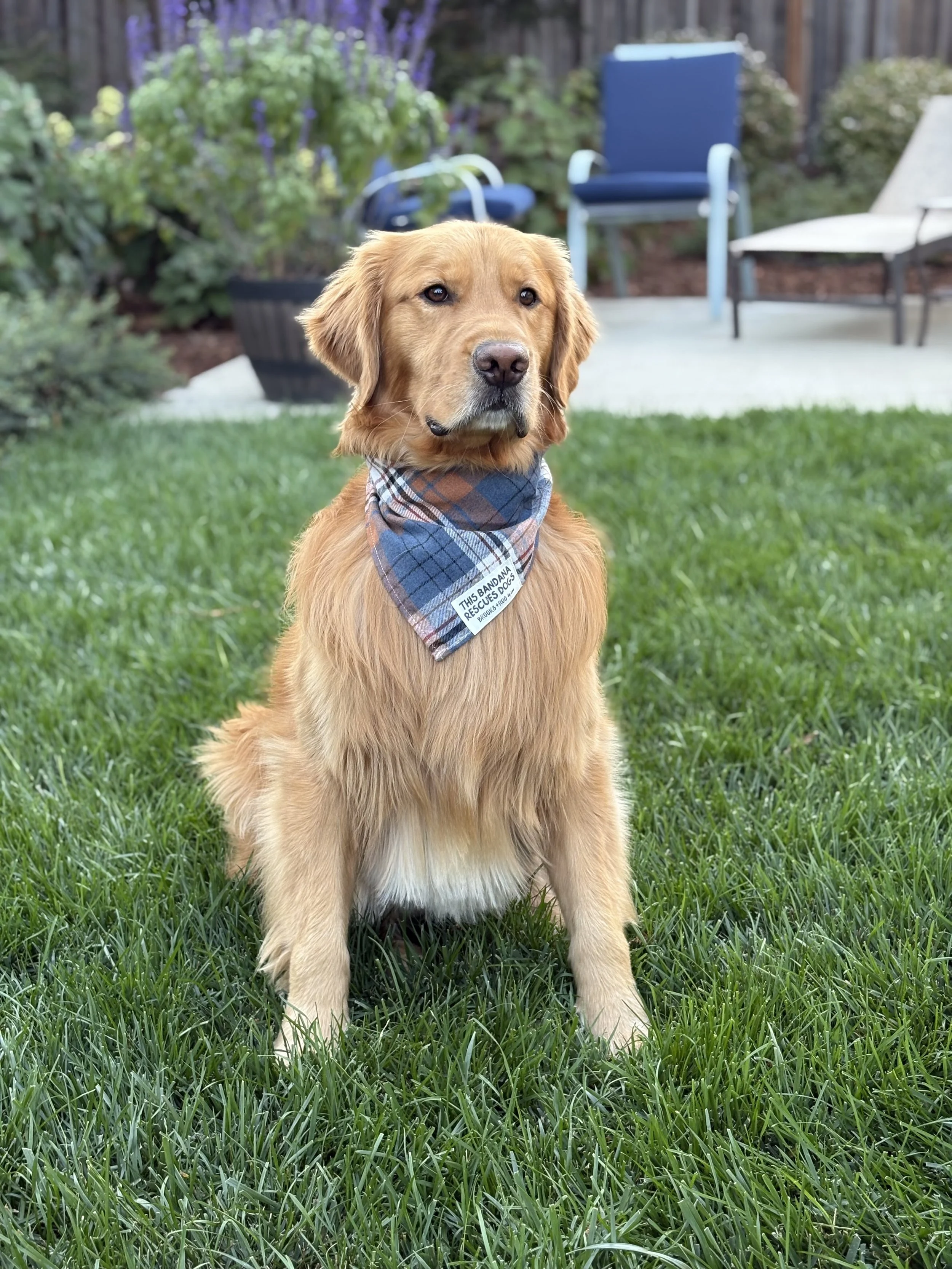
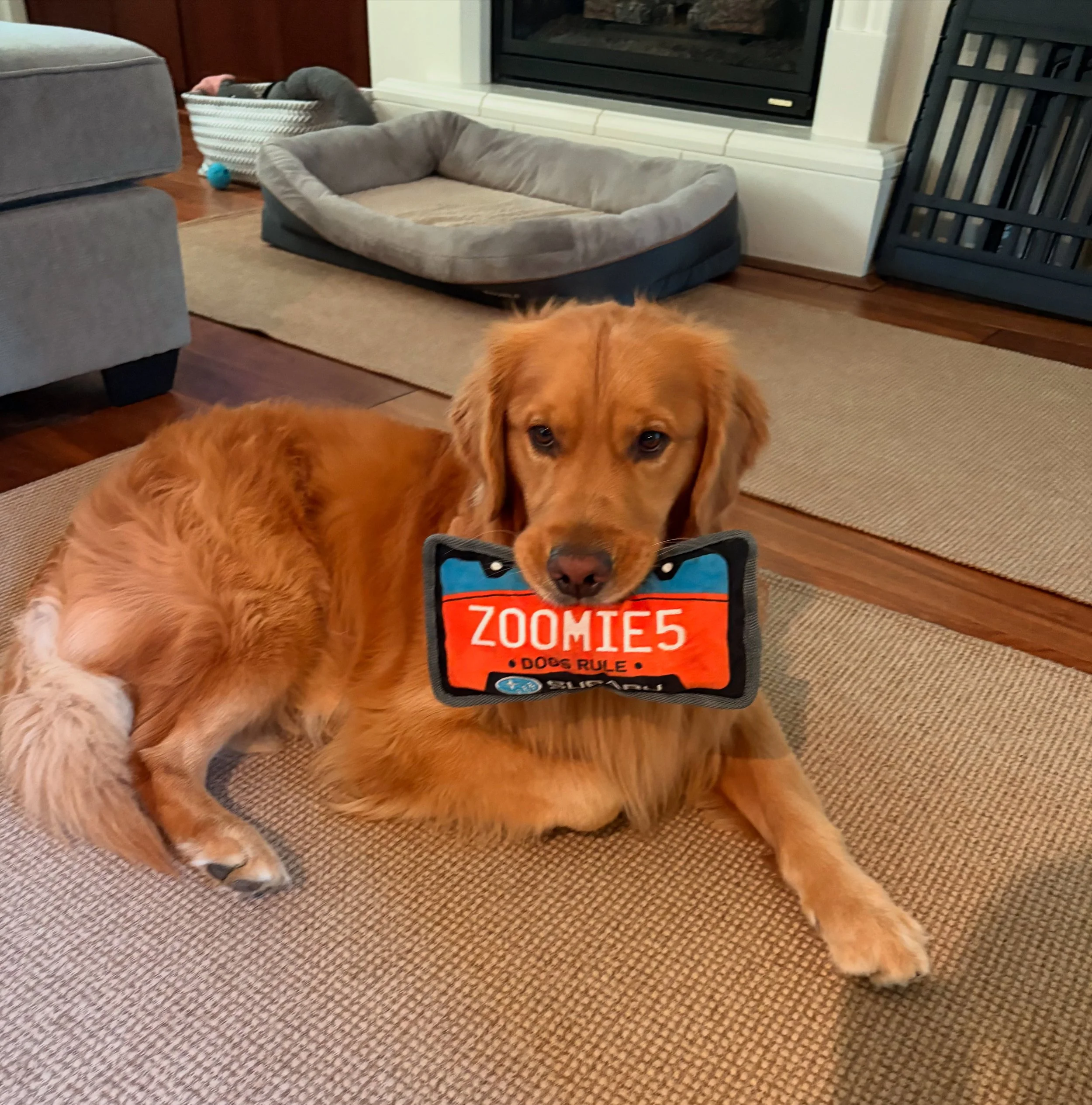
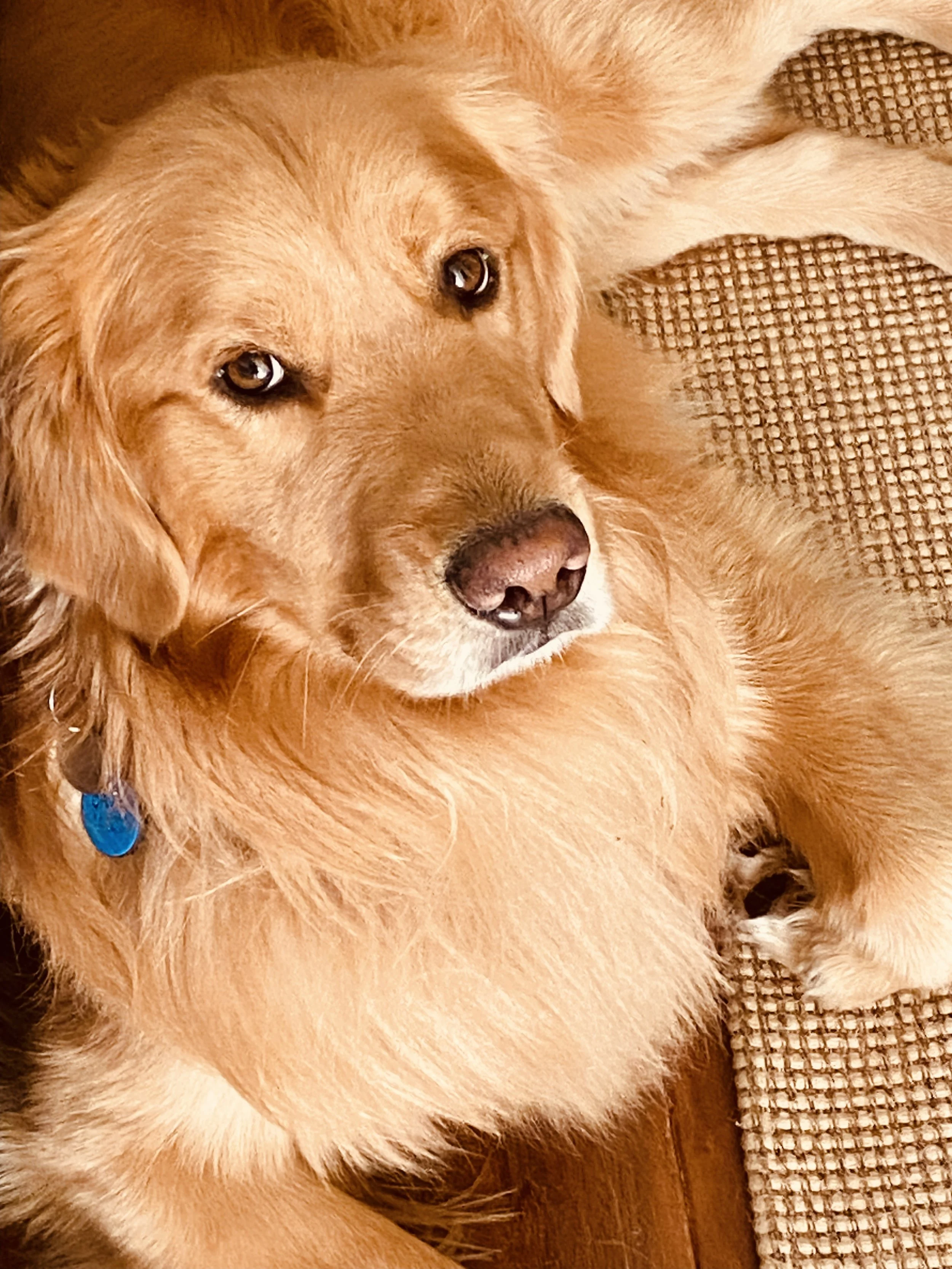
Meet Orvie, our four-year old Golden. There is no history of epilepsy in his lines. I was the breeder and followed all developmental protocols. His siblings are fine. He is not only a handsome and very sweet boy, but he is the most athletic Golden I have ever seen from show lines. He is solid muscle, lightning fast, retrieves obsessively, and dock dives. How could this amazing canine have seizures?
There is no logical answer. At first, we wondered if he got into something, and we were looking at a toxicity issue. That was the hope. When he had another seizure exactly two weeks and at the same hour of the morning after his first seizure, we realized that hope was probably wishful thinking.
Of course we got right into the vet. We have wonderful vets. They did bloodwork to rule out any physical reason. All looked good. We had the option of putting him on seizure meds and seeing how things went or spending thousands of dollars to take him to a neurologist for more invasive testing. Does he have a brain tumor? Is that causing the seizures? Testing by a neurologist is the only way to know for sure.
It is doubtful. He fits the stereotypical epileptic Golden presenting with the first seizure between 3 and 5 years of age. His seizures (he has had 3) are all pretty textbook. The one small hope we hold in our hearts is each seizure has been less severe..
He is on the generic time-release Keppra which we hear is the best option, especially for his long term health. We need to be diligent about administering it every 12 hours, and he must swallow them whole, or it can be dangerous because the time release only works correctly if the pills are intact.
He just had his first break through seizure after almost 3 months. Our veterinarian said break throughs are expected. We need to keep notes on the duration and severity of the break throughs, and we plan from there. Seizure care is fluid because each dog can present a little differently.
For now we live each day to the fullest, giving Orvie lots of love, walks, runs, retrieves,and swims. He’s living his best life. We’ll take that for as long as possible.
I would love to hear from any of you who have dealt with seizure disorders in their dogs. Perhaps we can help and support each other. My husband and I are very sad this is our boy’s fate. We keep our ears open and hope he can stay our Orvie Boy for years to come.